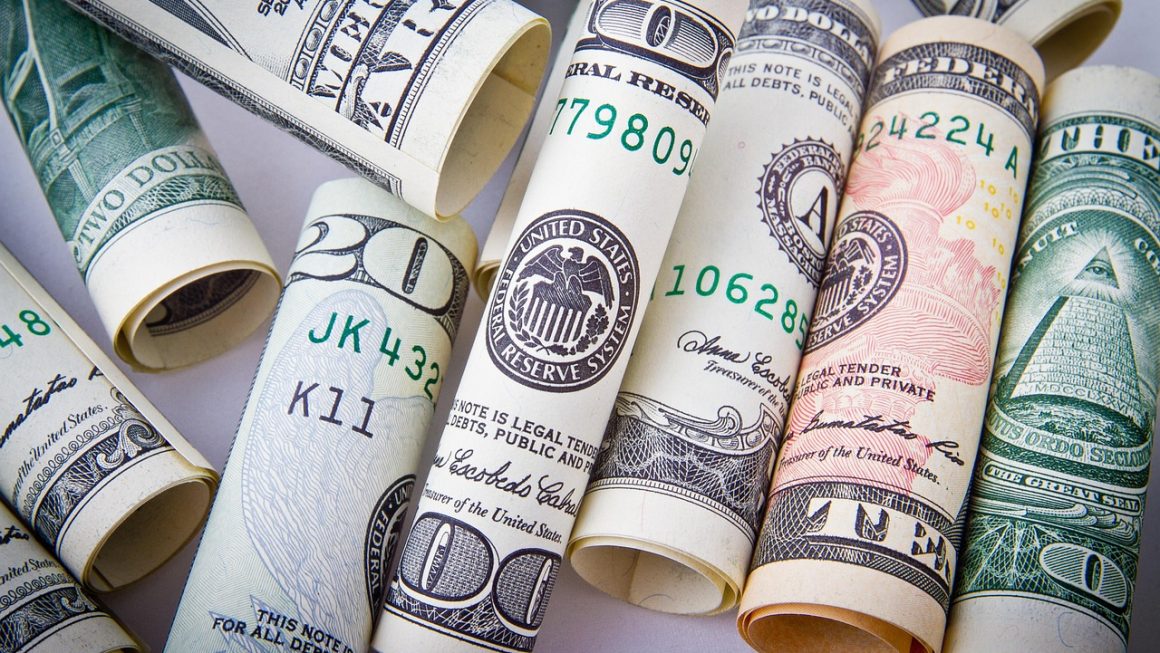

Financial freedom is rarely the result of a single windfall or a stroke of luck; rather, it is the cumulative effect of consistent, intentional daily choices. Developing healthy money habits is the bridge between where you are today and where you want to be in the future. Whether you are aiming to pay off debt, build an emergency fund, or invest for retirement, the secret lies in mastering your relationship with your finances. By refining how you manage, save, and spend your income, you can transform your financial trajectory and achieve lasting peace of mind.
## The Foundation of Mindful Budgeting
Budgeting is not about restriction; it is about empowerment. It provides a roadmap for your money, ensuring that every dollar serves a specific purpose rather than disappearing into mindless expenses.
### Implementing the 50/30/20 Rule
One of the most effective ways to manage your cash flow is the 50/30/20 rule, a framework that simplifies financial planning for any income level:
- 50% for Needs: Essential living expenses like rent, groceries, utilities, and transportation.
- 30% for Wants: Discretionary spending such as dining out, subscriptions, and entertainment.
- 20% for Savings and Debt: Contributions to emergency funds, retirement accounts, or paying down high-interest debt.
### Tracking Your Daily Expenses
You cannot manage what you do not measure. Using apps like Mint, YNAB, or even a simple spreadsheet can help you identify “leaky” spending habits. For instance, if you discover you are spending $150 a month on takeout coffee, you can choose to reallocate those funds toward your long-term savings goal.
## Cultivating a Saving-First Mindset
A common mistake is treating savings as an afterthought—something to do only if money remains at the end of the month. To build wealth, you must flip the script.
### Automate Your Financial Growth
Automation removes the temptation to spend money before it is saved. Set up recurring transfers from your checking account to your savings or investment accounts on payday. Even small, consistent contributions can grow significantly over time due to the power of compound interest.
### Building an Emergency Fund
Life is unpredictable. Financial experts often suggest saving three to six months’ worth of essential expenses to protect yourself from life’s curveballs, such as unexpected car repairs or medical bills. This buffer prevents you from needing to rely on high-interest credit cards when emergencies arise.
## Smart Debt Management Strategies
Not all debt is created equal, but high-interest debt, such as credit card balances, can act as a anchor on your financial progress. Addressing this should be a priority in your financial journey.
### The Debt Avalanche vs. The Debt Snowball
Choosing the right repayment strategy can keep you motivated:
- The Debt Avalanche: Focus on paying off the debt with the highest interest rate first. This saves you the most money in interest payments over time.
- The Debt Snowball: Focus on paying off the smallest balances first. The psychological win of eliminating a debt entirely provides the momentum to keep going.
### Avoiding Lifestyle Creep
As your income increases, the tendency to increase your spending is known as “lifestyle creep.” By maintaining your previous standard of living for a period while your earnings rise, you can drastically accelerate your debt repayment and investment timelines.
## Strategic Investing for Long-Term Wealth
While saving preserves money, investing grows it. If you want to beat inflation and build true wealth, your money needs to work as hard as you do.
### Understanding the Power of Compound Interest
Time is your greatest asset. According to financial data, if you begin investing $500 monthly at a 7% annual return at age 25, you could potentially have over $1 million by age 65. The later you start, the harder you have to work to reach the same goal.
### Diversification is Key
Don’t put all your eggs in one basket. By investing in a mix of asset classes—such as low-cost index funds, stocks, and bonds—you reduce your risk and ensure that your portfolio remains resilient against market volatility.
## Conclusion
Mastering your money habits is a journey, not a destination. It requires patience, discipline, and the willingness to learn from your past financial decisions. By embracing mindful budgeting, prioritizing savings, managing debt strategically, and investing for the future, you take control of your financial destiny. Start small, remain consistent, and remember that even minor adjustments in your daily habits can lead to monumental results over time. Your future self will thank you for the choices you make today.