
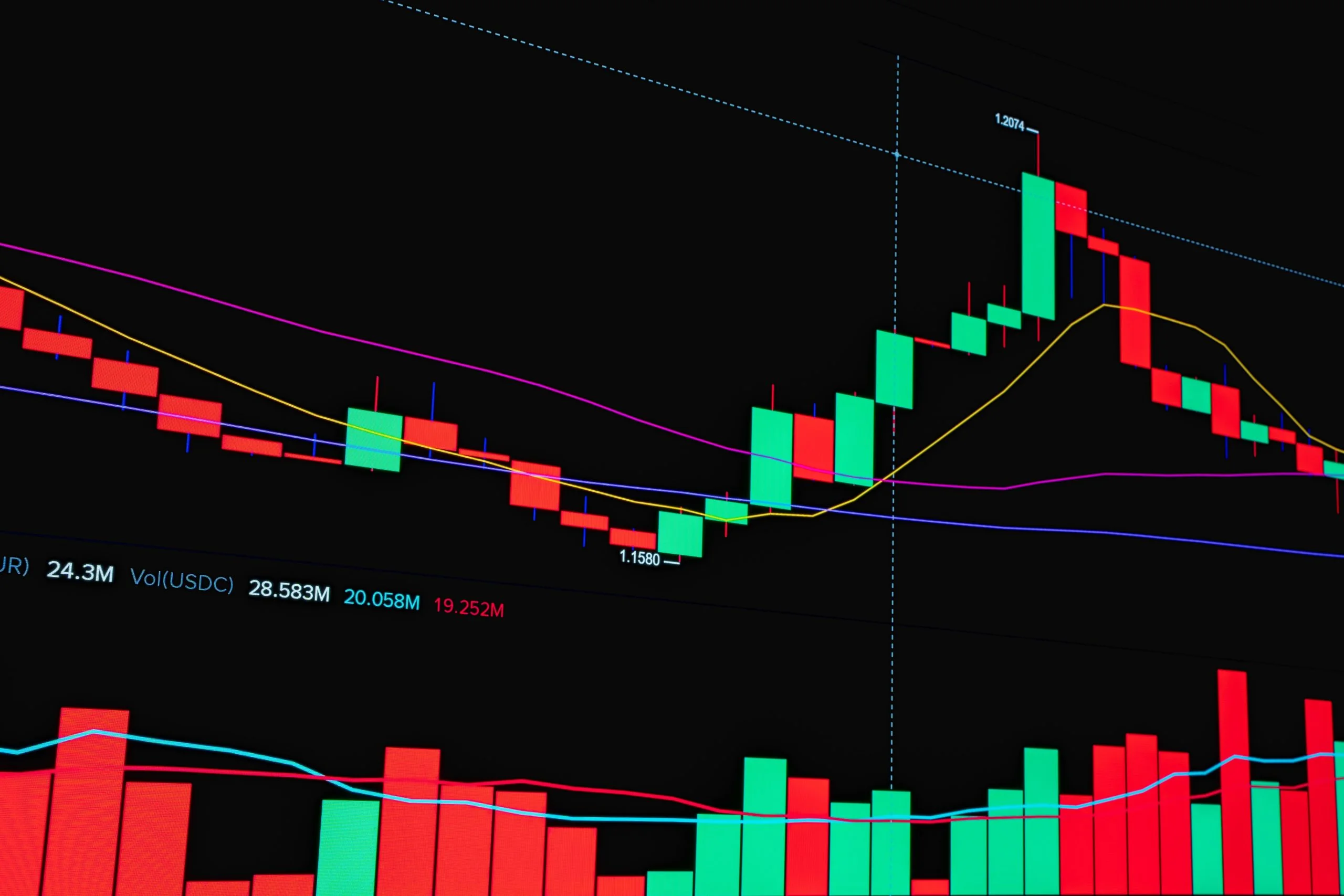
Investing is one of the most powerful tools available for building long-term wealth, yet it remains one of the most misunderstood aspects of personal finance. Whether you are aiming to fund your retirement, save for a major purchase, or create a passive income stream, understanding the core principles of investing can turn your financial goals into reality. By moving beyond the hype of “get-rich-quick” schemes and focusing on time-tested strategies, you can navigate market volatility with confidence and secure your financial future.
Understanding Your Financial Foundation
Before diving into the stock market, it is essential to ensure that your financial house is in order. Investing should never come at the expense of your immediate financial security.
Assessing Your Risk Tolerance
Risk tolerance is your psychological and financial capacity to endure market swings. It is influenced by your age, income, and time horizon.
- Conservative: Prioritizes capital preservation; favors bonds and high-yield savings.
- Moderate: Seeks a balance between growth and stability; often uses a 60/40 split of stocks and bonds.
- Aggressive: Focused on long-term capital appreciation; heavily weighted toward equities.
The Importance of an Emergency Fund
Before allocating funds to investments, keep three to six months of living expenses in a liquid savings account. This prevents you from being forced to sell your investments during a market downturn to cover unexpected costs.
The Power of Diversification
The old adage “don’t put all your eggs in one basket” is the golden rule of investing. Diversification minimizes risk by spreading your capital across various asset classes.
Asset Allocation Strategies
Asset allocation is the process of deciding how much of your portfolio to hold in different types of investments, such as stocks, bonds, and real estate. Studies suggest that asset allocation accounts for over 90% of a portfolio’s return variability, making it more important than individual stock picking.
- Equities: Provide growth but carry higher volatility.
- Fixed Income: Provide steady interest payments and act as a buffer during market crashes.
- Cash/Equivalents: Offer liquidity and stability.
Geographic and Sector Diversification
Don’t just diversify by asset type; diversify by region and industry. If your entire portfolio is in the technology sector, a tech-heavy market correction will hurt your savings significantly. Adding international stocks and bonds helps capture growth from global markets.
Leveraging Compound Interest
Albert Einstein is famously credited with calling compound interest the “eighth wonder of the world.” For investors, it is the primary engine of wealth accumulation.
The Time Value of Money
The earlier you start, the more time your money has to grow. Even small, consistent contributions can grow into a significant sum over decades due to the compounding effect where your earnings generate their own earnings.
- Start early, even with modest amounts.
- Reinvest all dividends and capital gains to maximize growth.
- Automate your contributions to ensure consistency.
Practical Example
If you invest $500 monthly at an average 7% annual return, after 30 years, you would have approximately $600,000. If you wait just 10 years to start, that figure drops to roughly $250,000, highlighting the massive cost of waiting.
Minimizing Costs and Taxes
Every dollar spent on fees or taxes is a dollar that isn’t working for you in the market. Keeping your investment costs low is one of the few variables you can fully control.
Passive vs. Active Investing
Active management often involves high fees for fund managers who attempt to beat the market. In contrast, passive investing—using low-cost index funds or ETFs—tends to outperform the vast majority of active funds over the long term.
- Look for funds with expense ratios below 0.20%.
- Avoid unnecessary trading, which triggers brokerage fees and capital gains taxes.
Utilizing Tax-Advantaged Accounts
Maximize contributions to retirement accounts like a 401(k) or IRA. These accounts offer tax benefits, such as tax-deferred growth or tax-free withdrawals, which can significantly boost your total returns over time.
Maintaining Discipline During Volatility
Market volatility is a normal feature of investing, not a bug. Most investors fail not because of the market, but because of their own emotional reactions to it.
Avoiding Emotional Decision Making
When headlines turn negative, it is tempting to “sell low” to avoid further losses. However, data shows that the best market days often follow the worst ones. If you stay out of the market during the recovery, you may miss out on significant gains.
Dollar-Cost Averaging
A proven strategy to reduce the impact of market timing is dollar-cost averaging. By investing a fixed dollar amount at regular intervals, you buy more shares when prices are low and fewer when prices are high, effectively lowering your average cost per share over time.
Conclusion
Investing is a marathon, not a sprint. By building a solid foundation, diversifying your assets, keeping costs low, and maintaining a disciplined long-term perspective, you can steadily grow your wealth regardless of daily market fluctuations. Remember that the goal of investing isn’t to hit a home run on a single trade, but to build a robust system that works for you 24/7. Start today, stay consistent, and let time do the heavy lifting for your financial future.