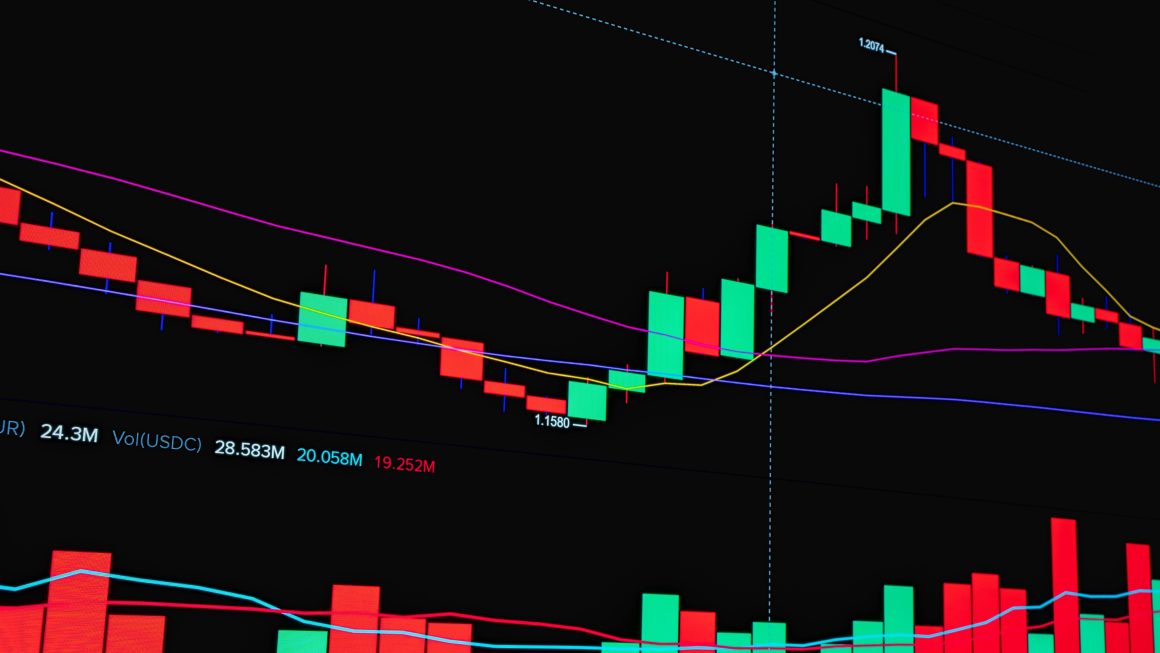

The global financial landscape is undergoing a profound transformation, driven by rapid technological advancements, shifting consumer behaviors, and a renewed focus on sustainability. As we navigate an era defined by economic volatility and digital innovation, understanding these emerging financial trends is no longer optional—it is essential for both individual investors and business leaders. From the rise of decentralized finance to the integration of hyper-personalized banking, staying ahead of the curve is the key to securing long-term financial health and operational resilience.
## The Integration of Artificial Intelligence in Personal Finance
Artificial Intelligence (AI) has moved beyond simple automation to become the backbone of modern financial decision-making. By analyzing massive datasets in real-time, AI is enabling institutions to provide hyper-personalized services that were previously reserved for high-net-worth individuals.
### Predictive Analytics and Budgeting
Modern fintech apps are now utilizing predictive analytics to help users anticipate future expenses before they occur. By analyzing spending habits, AI can suggest real-time adjustments to a user’s budget.
- Automated Savings: Algorithms that move small, “unmissable” amounts into savings accounts based on cash flow.
- Expense Forecasting: Tools that project monthly bills and alert users if they are on track to overspend.
### Enhanced Fraud Detection
Financial institutions are deploying machine learning models to identify suspicious patterns instantaneously, reducing the time it takes to mitigate security threats. For the consumer, this means fewer blocked transactions and a more secure digital banking experience.
## The Continued Evolution of Decentralized Finance (DeFi)
Decentralized Finance, or DeFi, continues to disrupt traditional banking by leveraging blockchain technology to remove intermediaries. While once considered a niche interest, it is becoming a critical component of the modern financial infrastructure.
### Smart Contracts and Transparency
DeFi operates on self-executing contracts, which reduce the need for middlemen like banks or brokers. This creates a transparent, 24/7 financial ecosystem.
- Lower Transaction Costs: By eliminating traditional banking overhead, users often enjoy lower fees.
- Accessibility: DeFi platforms are open to anyone with an internet connection, fostering global financial inclusion.
### Practical Example: Yield Farming
Investors are increasingly using DeFi protocols to “stake” their cryptocurrency, earning interest rates that often outpace traditional savings accounts. Takeaway: While lucrative, always perform thorough due diligence, as the DeFi market carries significant regulatory and technical risk.
## The Rise of Sustainable and ESG Investing
Environmental, Social, and Governance (ESG) criteria are no longer just “nice-to-have” metrics; they are core indicators of a company’s long-term viability. Investors are increasingly shifting capital toward organizations that prioritize sustainability and ethical governance.
### Defining ESG Performance
Investors now screen portfolios for companies that demonstrate positive social impact and sustainable environmental practices. Statistics suggest that ESG-focused funds often demonstrate higher resilience during market downturns.
### How to Implement ESG in Your Portfolio
- Thematic Investing: Focus on sectors like renewable energy, clean water, or social infrastructure.
- Impact Reporting: Look for companies that provide transparent audits of their carbon footprint and labor practices.
## The Future of Payments and Digital Wallets
The “cashless society” is becoming a reality, fueled by the widespread adoption of digital wallets and contactless payment systems. This shift is reshaping how businesses manage cash flow and how consumers interact with their money.
### Mobile-First Financial Ecosystems
Digital wallets like Apple Pay, Google Pay, and regional alternatives like WeChat Pay have turned smartphones into comprehensive financial hubs. They provide more than just payment processing; they often include loyalty programs, credit tracking, and instant peer-to-peer transfers.
### CBDCs and Institutional Shifts
Central Bank Digital Currencies (CBDCs) are currently being explored by dozens of nations. These government-backed digital assets aim to combine the efficiency of cryptocurrencies with the stability and regulation of traditional fiat currency.
## Conclusion
The financial world is evolving at an unprecedented pace, with AI, blockchain, and sustainability leading the charge. By embracing these trends, individuals and businesses can better position themselves to mitigate risks and capitalize on new opportunities. Whether you are automating your personal savings with AI or diversifying your portfolio with ESG-compliant assets, the most important step is staying informed. Keep a close watch on regulatory changes and technological breakthroughs to ensure your financial strategy remains robust in an ever-changing economy.